



After some hot weather in September and bushfires in some areas, the weather has done quite a turnaround and it has been cold and wet, with significant rainfall in some areas in a short space of time. With many alpaca owners having had their animals shorn recently, the risk of hypothermia is something we all need to be aware of.
Hypothermia is a medical emergency when core body temperature DROPS (normal body temperature for an alpaca is in the range of 37.5 – 38.6 degrees Celcius), and overwhelms the alpacas ability to generate or retain heat. One of the areas of the body where alpacas regulate their body temperature is on the stomach, where the fleece length is naturally shorter, so if they are sitting in cold, wet conditions for extended periods of time, this can be a risk, particularly if there are rain events where there is a significant amount of rain in a short space of time accompanied by wind and/or sudden temperature drops.
At risk animals:
- Recently shorn alpacas
- Newborn/young cria
- Vulnerable animals – thin, old, pregnant/lactating, or sick alpacas
Warning Signs
- Shivering and ‘stiff’ muscles
- Shallow, slow breathing
- Hunkered down in cush, or unwilling to stand
- Lethargic, pale gums, and cold extremities (ears, feet, tail)
Prevention and Management
- Provide shelter via trees, sheds or temporary structures, using tarpaulins as wind breaks.
- Increase available nutrition by providing extra quantities of lucerne or oaten hay, which will help them to generate internal heat.
- Consider providing a coat for at risk animals (eg thin or sick alpacas, cria). Alpaca coats are available from specialist suppliers, and dog coats are available in a range of sizes that can often be appropriate. In an emergency bubble wrap can be fitted around the animal and affixed with water-resistant tape. Ensure coats are well-fitted (no long, loose straps) and remain dry.
First aid treatment
Gradual warming – move the alpaca to a dry, warm area that is free from drafts. Avoid rapid heating (this can cause shock), and towel-dry the animal to remove most of the water and stimulate the blood vessels below the skin. Provide insulation by using hot-water bottles (wrap in a towel) and cover the animal with warm, dry towels or blankets. If the alpaca is conscious and able to swallow provide warm electrolytes and feed. Contact your veterinarian or alpaca mentor for advice in dealing with multiple or severe cases.
Last month we reminded everyone of the need to check your herd for intestinal parasites such as worms, liver fluke and coccidia by doing a Fecal Egg Count (“FEC”, or “WEC” for worm egg count), as this will indicate the level of any parasite burden and whether treatment for parasites is necessary. Given the wet conditions, we advise that you continue to closely monitor for signs of worms.
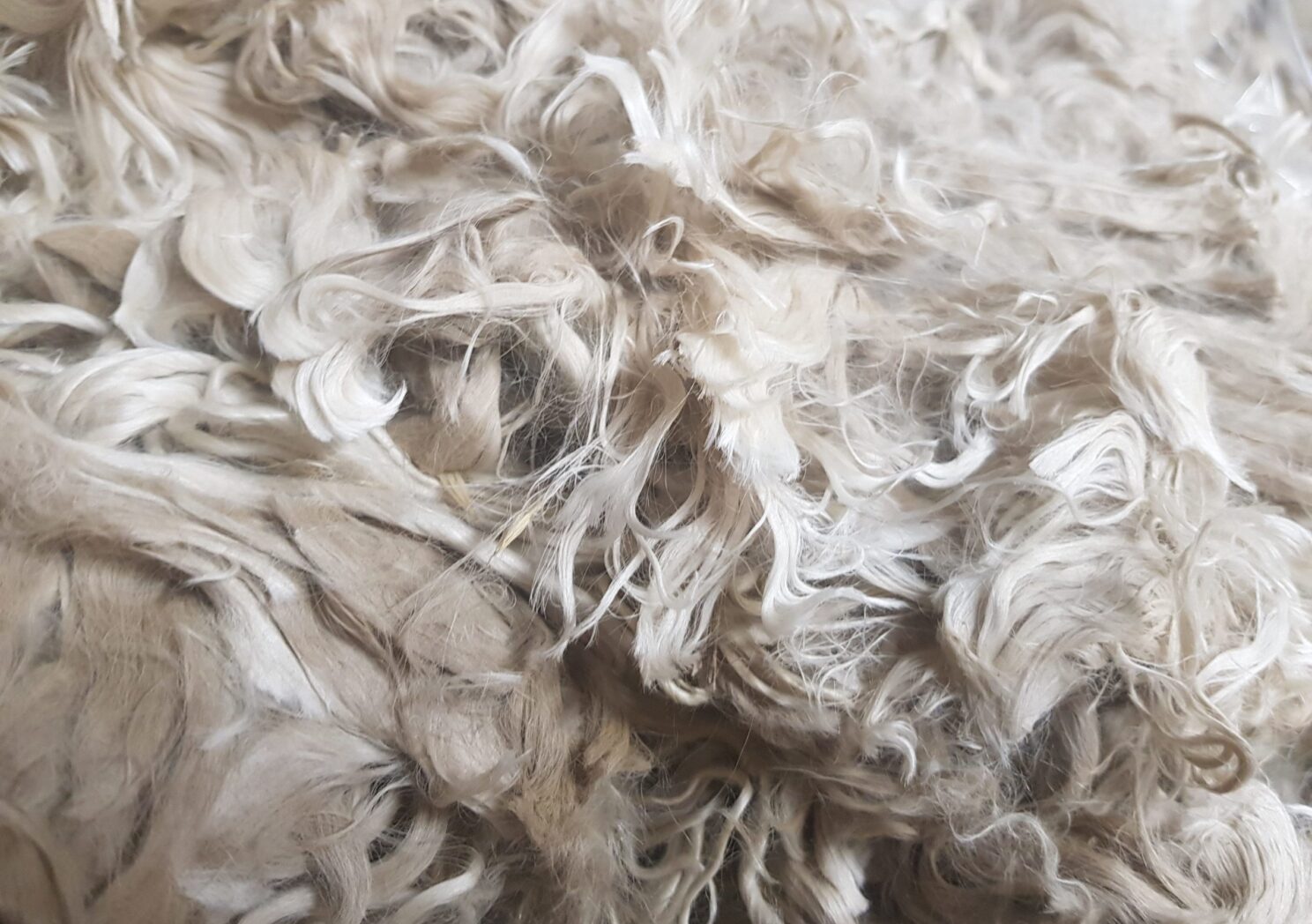
If you are trying to decide what to do with your fleece clip, there are a range of options. However, different buyers and processors will have their own requirements about how the fleece should be sorted and packaged. We have included fleece preparation requirements from Waratah Co-Op (who have had recent changes to the Board) https://www.waratahalpacafibre.com.au/, Storybook Alpacas and Pocket Farm Fibre Mill – http://www.pocketfarm.com.au/ as an insight into the preparation required to consign fleece. Specific collection details, including pricing and collection times and locations should be obtained from each organisation to ensure you have the most current requirements.
If you want further information about the steps involved in processing alpaca fleece then follow this link https://alpaca.asn.au/alpaca-resources/processing/ to read more about classing, carding and spinning into yarn.
Thank you to NNSWSQ Region for the use of this article.